

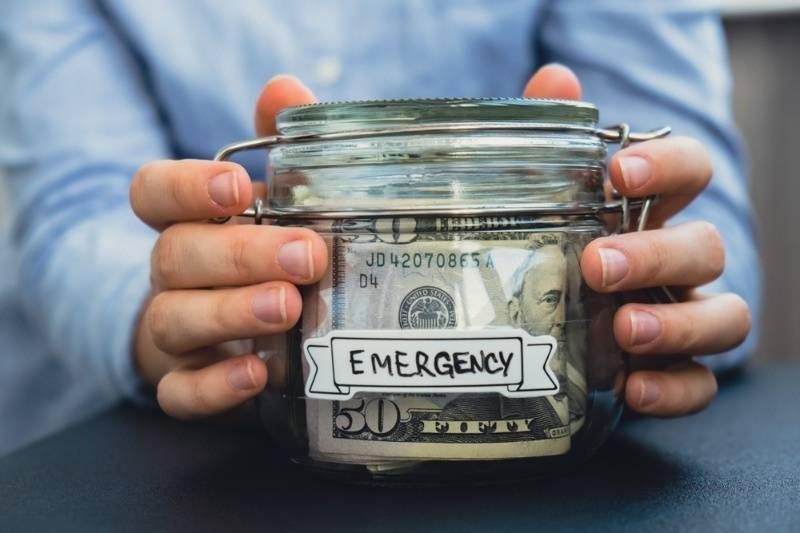
Managing money is not just about how much you earn or spend. It is also about being ready for those curveballs life throws at you out of nowhere. It could be a medical bill, job loss, or even settling a home issue in such moments, and your finances are all messed up when you least expect it. That is where having an emergency/backup fund comes in handy in life.
This blog will guide you through the process of building an emergency fund, step by step, and provide you with practical tips and smart saving strategies.
An emergency/backup fund is a crucial part of financial security. This means that if your earnings dip for a while, you are likely to stay sane because you will still be able to afford your basic expenses. Here’s how to build it:
Alright, so the first thing you need to do when building your emergency fund is figure out your monthly expenses. Once you know how much you spend on the essentials, it helps you pinpoint how much of an emergency/backup fund you might need.
After you have that target, break it down into smaller, bite-sized goals. Instead of concentrating on this large amount, start by saving small amounts of money each month. This way, you'll feel less diffused from how massive the task appears and also get to see the savings build over time.
If you have a specific objective being pursued, then it's much more likely you will remain committed to your goal of saving money.
Now, saving on a regular basis is where it all starts for a good emergency/backup fund. You do not have to wait for that extra money to show up. Just start with whatever you can manage.
Even putting away a little bit can add up over time. The key here is being consistent; this is one of those emergency savings tips that really keeps you steady on course.
As your income goes up, you can totally bump up how much you are saving. This step-by-step approach makes handling unexpected expenses way simpler and way more doable.
A budget helps one to know where their money is going. This, in turn, helps you to achieve more savings. When you reduce the amount of unnecessary expenses, you free up money, which can then be added to your emergency/backup fund. It is in line with keeping your finances in order and strengthening financial safety net planning.
Budgeting also prevents overspending, which is crucial when your aim is to save for unplanned expenses.
It is important that your emergency/backup fund is kept in a separate account. There is little chance of spending it on unnecessary things. Separate savings are only used when they are really needed. This discipline plays a major part in the success stories of emergency/backup funds.
The account chosen should be one that is secure yet easy to retrieve. In case of an emergency, you should be able to withdraw money quickly, but not so easily that you take it for everyday expenses.
Whenever you receive extra money, such as a bonus, gift, or tax refund, consider putting a percentage of it towards your emergency/backup fund. This is one simple, sure-shot way of growing your savings quicker.
Using extra income wisely is one of the most practical emergency savings tips. One of the most practical emergency savings tips that one can use is the wise use of any additional income.
They cumulatively contribute to the possibility of reaching your goal much sooner.
Staying disciplined is one of the biggest challenges in building an emergency fund. Emergency/backup funds can be misused on unnecessary purchases. However, it is important that this fund is used only in case of a real emergency. Using it for other purposes weakens financial safety net planning.
Keeping yourself disciplined means the fund is always available when you really need it! This is one of the most important emergency fund strategies for long-term success.
Building an emergency fund is not a one-off task. If the lifestyle changes, the expenses may also rise. This means you may need to adjust your savings target.
This way, you’re able to maintain a strong financial safety net planning system. Also, continuing to grow your fund gives you more confidence and security in your financial life.
An emergency fund is money reserved for urgent expenditures. It should not be accessed for daily expenses or any planned activities. It is really just there for emergencies; think health problems, losing your job, or having to travel somewhere fast.
Having this fund gives one a sense of control and a little financial peace of mind. There is no need to rely on credit cards or loans, which attract huge interest rates. That means it definitely makes saving for those unexpected bills not as hard on my nerves.
A question is from a lot of folks: how much do I really need in my emergency/backup fund? Well, the answer to that is relative. This depends on several factors like your income, lifestyle, and responsibilities.
Financial pros have usually claimed that people should have enough savings to last them around three to six months' most essential expenses. These include rent, groceries, utilities, insurance, and loan payments. If you have a steady job, three months might be just fine. But if your income is on the unpredictable side or you have dependents relying on you, shooting for six months, or even more, might be a smarter move.
Getting a grip on how much you need in your emergency/backup fund helps you set a realistic target. It gives you a clear path as you start building it up. No need to hit that amount overnight, though. You can kick things off small and gradually ramp up your savings over time using some effective strategies.
One of the most important tools for financial security and stability is an emergency/backup fund; it protects you from unexpected situations and prevents you from going into debt.
With an understanding of how much emergency/backup funds are needed and simple emergency savings tips, you can build a strong financial foundation. Over a period of time, your efforts would pay off, giving you peace of mind and financial confidence.
Stocks are more of a gamble than a sure thing, and so generally it is best not to use your fund to invest in them. The money should be fully secure, minimally volatile, and readily available at a moment's notice, without having to go through any formality.
Once you deplete your fund, the most important thing for you will be to replenish it at your earliest opportunity. You can get back your safety net by kicking off your savings journey again and doing so with regularity.
Absolutely! When you have more than six months of savings, it can provide you with nothing but benefits in the long run. For instance, if you have one or more dependents, or your income is somewhat uncertain, then having that extra buffer of money at hand will certainly make your life easier when it comes to unexpected expenses.
It really depends on how much you make and how much you set aside. If you stick to your plan and employ some of the great emergency fund-building strategies that are out there, you will be able to build your fund little by little without any undue stress on your finances.
This content was created by AI