

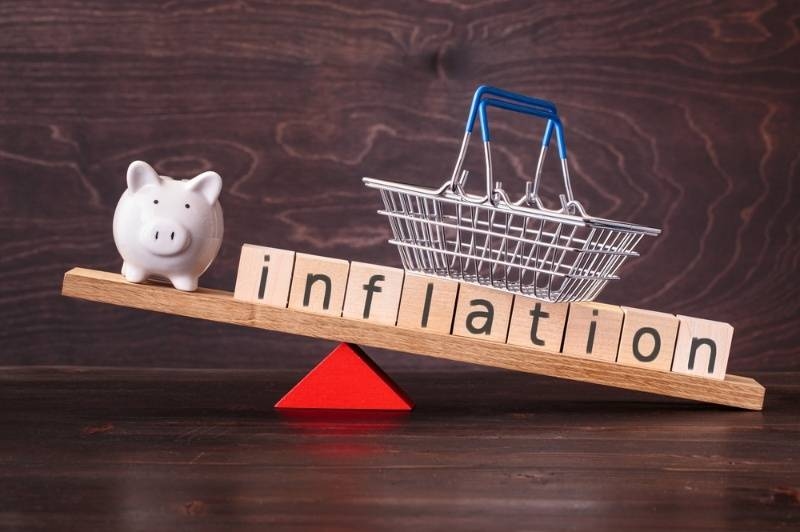
Most people think savings mean safety. Money in the bank, money set aside, money not being wasted. And yes, that is still better than having no cushion at all. But here is the problem. Savings can quietly lose value even when the account balance stays exactly the same.
That is the real issue behind inflation impact on savings.
Inflation raises the cost of everyday life. Groceries cost more. Rent climbs. Fuel gets annoying. Even the boring basics, the stuff people buy without thinking too much, starts eating up more money. So if someone keeps cash sitting in a low-interest account for years, the number may look stable, but its buying power slowly shrinks. Bit by bit.
This is why inflation matters so much to savers. It does not steal money in an obvious way. It just makes the same dollars do less over time. Sneaky, honestly.
A person might think they are building financial security because their savings account shows a healthy figure. But if inflation keeps rising faster than the return on that money, they are losing ground in real terms. That gap is where long-term financial damage often begins.
Inflation is not only about prices going up. It is about what those higher prices do to future plans. A person may save for emergencies, a home, retirement, or just peace of mind. But when inflation runs ahead of income or savings growth, those goals start drifting further away.
Think about it this way. If someone saved $10,000 five years ago, that money still says $10,000 on paper unless they spent it. But what that amount can buy today is not what it could buy back then. That difference is the painful part.
These are the kinds of purchasing power decline tips people need to understand early, because the damage usually happens slowly, not dramatically. There is no alarm bell. No one gets a message from the bank saying, “By the way, your money now buys less than it used to.”
A few areas where inflation hits savings hardest include:
None of this means cash savings are bad. They are necessary. But relying on cash alone can create problems when inflation sticks around longer than expected.
To understand this properly, people need to separate nominal value from real value. Nominal value is the amount shown in the account. Real value is what that money can actually buy after inflation is factored in.
That gap is everything.
If a savings account earns 2 percent annually but inflation runs at 5 percent, the saver is technically moving backward. The account grows a little, sure, but not enough to keep up with rising prices. This is where inflation protection strategies start to matter.
This is also why many people start asking how to beat inflation financially once they realize saving alone is not always enough. The goal is not to abandon savings. It is to make sure savings work alongside smarter wealth protection choices.
Cash feels safe because it is stable. It does not swing up and down like markets. It is available when needed. It helps people sleep better. Fair enough. But too much cash for too long can quietly drag wealth backward during inflationary periods.
That is where the conversation gets uncomfortable. Because safety and efficiency are not always the same thing.
A healthy financial setup usually includes some cash for emergencies and short-term needs. But beyond that, keeping everything parked in traditional savings may leave money exposed to inflation erosion. This is where investing during inflation starts to enter the picture.
People do not always love that idea at first. Investing sounds riskier. More uncertain. More complicated. But inflation is its own kind of risk, just slower and less dramatic.
And yes, the inflation impact on savings becomes much clearer when someone realizes their cautious approach has actually reduced their future spending power.
The goal is not to chase extreme returns or gamble with essential money. It is to build a strategy that protects value while still allowing for flexibility and stability.
Here are a few practical approaches.
Emergency savings should still stay accessible. That money is for job loss, medical bills, urgent repairs, or sudden expenses. It should not be overexposed to market swings.
A good emergency fund should be:
Money that is not needed soon may need stronger growth potential than a basic savings account can offer. This is one reason investing during inflation becomes an important part of financial planning.
Long-term assets may help savings grow faster than inflation over time, though of course they come with risk and should be chosen carefully.
A 3 percent return sounds fine until inflation is sitting higher than that. People should get used to asking one simple question: Is this money actually growing in real terms?
That mindset shift leads to better inflation protection strategies over time.
Not every saver needs the same solution, and not every inflation hedge fits every financial goal. Still, some categories are worth understanding because they are commonly used when inflation becomes a real concern.
Common inflation hedge options may include:
The point is not that one option magically solves everything. It is that a mix of assets may reduce the risk of leaving too much money stuck in slow-growth places.
Some people go too far and chase whatever sounds like an “inflation-proof” asset. That can backfire too. A smart plan usually avoids extremes. It balances liquidity, growth, and risk in a way that fits the person’s timeline.
And that matters, because how to beat inflation financially is not really about one perfect asset. It is about using the right tools for the right purpose.
Protecting wealth is not only about investments. It also involves behavior. Inflation changes the math of daily life, so people often need to adjust spending patterns to reduce pressure on savings.
Helpful actions can include:
These are practical purchasing power decline tips because they help people reduce the amount of inflation damage happening in daily life. If expenses rise and financial habits stay frozen, savings usually feel the strain faster.
Sometimes the fix is not glamorous. It is just awareness. A tighter budget here, a smarter savings structure there, a better review of where money is actually going. Not exciting. Still useful.
Inflation hurts more when people ignore it for years. A short period of rising prices may be annoying. A long period can seriously alter financial outcomes.
Time matters because:
If savings underperform inflation year after year, the effect builds quietly. It may not look dramatic after one year, but over five or ten years, the difference becomes much harder to ignore.
Retirement, education funds, home purchases, and large future expenses all depend on money keeping up with real-world costs. That is where inflation hedge options and growth-focused planning become more important.
Waiting too long to respond gives inflation more room to erode value. It is easier to adjust early than to play catch-up later.
Inflation can make people anxious, especially when headlines keep talking about rising costs and economic pressure. But panic usually leads to bad decisions. Selling too quickly. Chasing trends. Moving money without a clear plan.
A better response is to stay practical. That means keeping enough cash for short-term needs, building long-term growth where appropriate, reviewing returns honestly, and making smarter choices about spending and saving. It also means accepting that protecting wealth is an ongoing process, not a one-time fix.
The truth is simple. Inflation does not just affect prices. It affects what saved money can actually do in the future. That is why ignoring it can be expensive, even for disciplined savers.
When people understand the inflation impact on savings, they are more likely to treat wealth protection seriously. Not fearfully. Just seriously. And once they start combining savings discipline with smarter growth strategies, they stand a much better chance of keeping their money useful, not just visible.
In many cases, yes. If monthly living costs have gone up, the emergency fund should reflect that new reality rather than older spending levels. A fund built around outdated expenses may not cover enough in a real emergency. People should review housing, groceries, utilities, transportation, and insurance costs to see whether their current cash reserve still provides the same number of months of protection.
It can help, but only if income rises enough and the extra money is managed well. A larger paycheck does not automatically protect wealth if spending increases at the same pace. When earnings go up, increasing savings rates and directing part of that growth into better long-term financial tools can make a real difference. Otherwise, inflation may still outpace actual financial progress.
Sometimes, yes, especially when someone expects short-term expenses, wants stronger liquidity, or needs to reduce risk temporarily. Cash still has an important role. The issue is not holding cash at all but holding too much for too long without a broader strategy. A balanced approach usually works better than going all in on either side, because both excessive cash and excessive risk can create problems.
This content was created by AI