

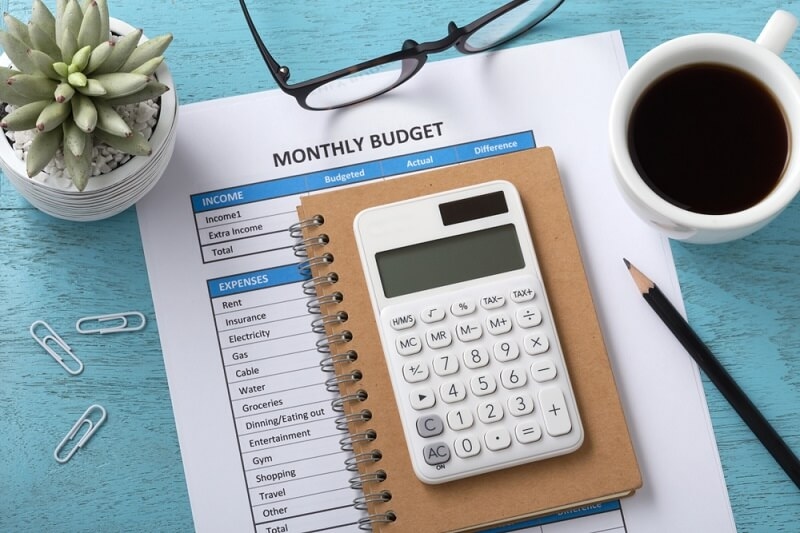
You do not have to make having your finances in order a chore that sucks all the happiness out of your life. Most people have difficulty managing monthly expenses because they believe it means giving up the things that make them happy. However, the key is finding that perfect balance that meets all your needs and wants. With Smart Spending Habits, you can get your finances in order without feeling restricted. It is entirely possible to Reduce Expenses Without Sacrificing Lifestyle if you just think about it differently.
You cannot fix what you do not measure, so knowing where every dollar goes is the first step. Small daily purchases add up to a surprising amount by the end of the month. Using Expense Tracking Tips, like keeping receipts or using a mobile app, can reveal hidden leaks in your budget.
Once you apply these Expense Tracking Tips, the data speaks for itself. Seeing the total cost of unused subscriptions provides the motivation needed to make a real change. This turns a vague worry about money into a clear plan of action.
Cutting back does not mean you have to stop buying things that make you smile. To Reduce Expenses Without Sacrificing Lifestyle quality, look for cheaper alternatives to your current habits. This might mean switching a service provider or finding a social activity that costs less but offers the same fun.
When you Reduce Expenses Without Sacrificing Lifestyle, the changes feel sustainable for a long time. This approach ensures you stay on track for years rather than giving up after a single week of restriction.
Good habits are the foundation of wealth and start with your daily choices. Building Smart Spending Habits means pausing before a purchase to ask if it adds true value to your day. It involves moving away from impulse buys and toward intentional decisions that support your bigger goals.
By practicing Smart Spending Habits, you stop wasting money on items that end up in the trash or a closet. This shift allows you to save more while owning things you actually value and use more often.
Life is meant to be lived, and a bank account should support your dreams. Achieving a Financial Lifestyle Balance means saving for the future while still enjoying the present moment. This requires a bit of planning to ensure fun money does not eat into your rent or utility funds.
Maintaining this Financial Lifestyle Balance keeps your stress levels low. You can enjoy a nice dinner because you know the bills are covered and your savings are growing steadily.
Small changes in your routine lead to massive results over the course of a year. Saving on Daily Expenses often starts in the kitchen or during the morning commute to your job. These tiny victories build up and provide the extra cash needed for bigger investments or emergency funds.
Focusing on saving on Daily Expenses helps you stay disciplined without needing a massive salary. It is the little things that determine if someone feels broke or comfortable at the end of the month.
When managing monthly expenses, it is helpful to start with fixed costs. These are bills like your mortgage or car insurance that stay the same every single month. Lowering these even slightly can save you thousands over time without changing your daily routine.
The effort put into Managing Monthly Expenses pays off by giving you peace of mind. You no longer have to wonder if a check will bounce or if a sudden repair is affordable.
High-interest debt is like a weight that holds you back from your true potential. Using Smart Spending Habits helps you find extra cash to pay down credit cards faster than the minimum payment. This saves an incredible amount of interest over the life of the debt.
Cultivating Smart Spending Habits creates a snowball effect where you feel more powerful with every win. This freedom allows you to redirect interest payments toward things that actually improve your life.
Everyone has a dream, whether it is owning a home or traveling the world. A healthy Financial Lifestyle Balance ensures these dreams stay within reach. It prevents burnout from working too much while stopping you from spending your future away on temporary thrills.
This Financial Lifestyle Balance is unique to every person. It is important to listen to your own needs and values while staying honest about your math.
The concept of freedom often starts with having extra cash in your pocket. By saving on Daily Expenses, you create a buffer that protects you from life's surprises. This habit turns what-if scenarios into minor inconveniences rather than total disasters.
When saving on Daily Expenses becomes a game, it becomes fun to see how much you can keep. This proactive behavior helps you thrive in any economic climate.
Consistency is the most important part of any financial strategy. Managing Monthly Expenses is a lifestyle choice that you refine as your income or family grows. Regularly checking your progress keeps your motivation high and your errors low.
By consistently Managing Monthly Expenses, you build a legacy of responsibility and wisdom. It allows you to be generous with others because your own house is in order.
Successfully Managing Monthly Expenses is about making intentional choices every single day. By utilizing Expense Tracking Tips and building Smart Spending Habits, you can Reduce Expenses Without Sacrificing Lifestyle quality. Strive for a healthy Financial Lifestyle Balance while Saving on Daily Expenses to ensure a bright and secure future.
To stop impulse spending, wait twenty-four hours before buying anything not on your list. This allows the excitement of the sale to fade so you can think clearly. Usually, you will realize the item is not needed for happiness. It creates a space between a feeling and an action.
Look at your bank history for three months to see where money actually went. Write down every fixed cost, like rent, and every variable cost, like groceries. This provides a realistic starting point for setting goals that are actually achievable. It removes the guesswork from your finances.
Saving five dollars a day adds up to over eighteen hundred dollars in a year. If you invest that money, it can grow into a very large sum over a decade. Small habits are often more powerful than big changes because they happen every day. Consistency is the key to wealth.
A healthy balance means meeting all obligations and saving for the future without feeling miserable. If you are constantly stressed about bills, you need to cut back immediately. If you are saving everything but have no fun, you might need to allow yourself a small, planned treat.
This content was created by AI