

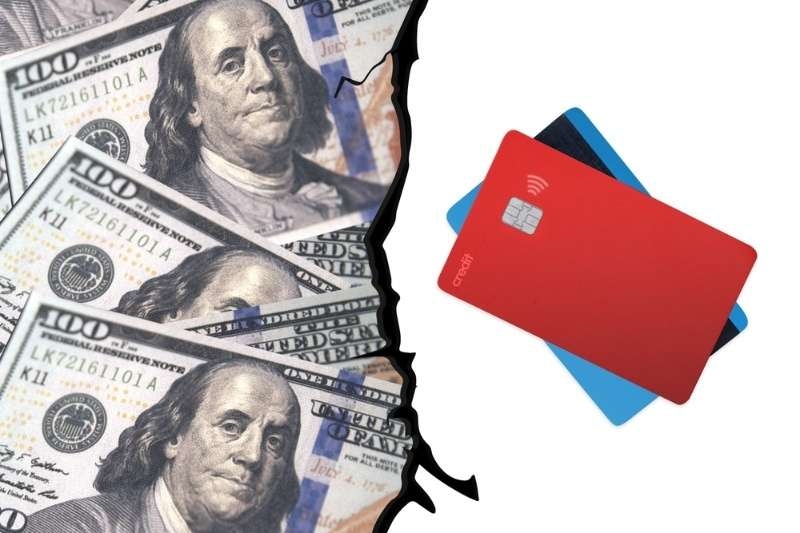
Understanding the differences between personal loans and credit cards is critical to making good financial choices. When choosing the right financing type, several factors need to be considered. The things below include the interest rate, the type of payments required, and others. Making the wrong choice about which type of financing to use can put more strain on your budget and ultimately cost you more money, adding to the stress of financial worries. This guide will help you understand the choices and make an informed choice when using either personal loans or credit cards.
To properly understand the differences between the two loan types, it is important to understand how each works. They are both forms of borrowing that provide access to money, but they are structured and repaid differently and differ in terms of flexibility when used.
Lenders give out personal loans, which are fixed-sum loans that you are required to pay back at some point in time. Personal loans typically have fixed monthly payments and interest rates. One of the greatest advantages of personal loans is that they are predictable, so you will know exactly how much you will owe each month, making it easier to budget. This type of lending is very helpful when developing a plan to manage long-term debt.
Credit cards are a type of lending that provides access to a revolving line of credit. This means you can continue borrowing against your credit card up to your limit, repaying it, and then borrowing again.
A key to using credit cards effectively is knowing when to use them. Credit cards work well for short-term expenses or emergencies, but you should pay off the balance in full each month to avoid high interest charges due to the revolving nature of the debt.
The main difference between personal loans and credit cards lies in their structures. Personal loans are fixed and structured, whereas credit cards are flexible and require self-discipline. If you have good financial habits and follow your long-term financial goals, deciding between the two forms of borrowing will be easy.
When assessing personal loans versus credit cards, it's imperative to take note of interest rates, as they're one of the most significant aspects in determining how much money you will spend on borrowed funds.
Personal loans generally feature lower interest rates than credit cards; many of these loans are fixed-rate (not changing during the loan period), providing additional benefits for making large, single purchases with a single payment over a set period, thus eliminating variable expenses caused by interest rate fluctuations.
Credit cards typically carry much higher interest rates than personal loans; if you maintain an ongoing balance, this can make it difficult to repay your debt as quickly as you'd like, emphasizing the importance of knowing when to properly use a credit card.
If you pay your monthly credit card balance in full each billing cycle, you will not accrue interest, allowing you to use the card efficiently. If you maintain an outstanding balance, interest will accrue, adding substantially to your total debt.
When considering both personal loans and credit cards, personal loans are cheaper for an individual because their interest rates are usually considerably lower than those of credit cards. This is particularly true for longer-term loans that can last from two to five years and for purchases exceeding $500 that an individual would prefer not to pay for on their credit card by spreading payments over several months.
Credit cards can be valuable for consumers making small transactions or in need of short-term convenience (typically less than one month), as credit card companies want to offer benefits to their customers, but they are not obligated to do so.
Consumers should consider both cost and intended use when weighing borrowing options. An effective comparison has to be done before making any final decision
Right now, there are two main types of borrowing options: personal loans and credit cards. Your financial situation, spending habits, and ability to repay what you owe all play a role in which option is better for you.
Personal loans work well when you need to borrow money to pay for large expenses, such as a home improvement project or a medical bill. In addition, personal loans are also a good choice when you want to consolidate debt into one payment. Personal loans are repaid over time with set payment amounts per loan agreement. This makes them an excellent choice for managing long-term financial obligations, as the payment plan and amounts remain the same until the loan is paid in full.
You need to know when it’s appropriate for you to use your credit card to avoid accumulating excessive amounts of debt on your credit line. A credit card is an ideal way to make regular purchases, cover unexpected financial needs, and establish a good credit history.
When you use credit cards responsibly (making payments on time and not maxing out the card), many offer rewards and flexibility. If your balance is not managed correctly, however, the high interest rate of a personal loan versus a credit card can quickly add up.
The following suggested borrowing comparisons are found in a comprehensive guide:
Finding the right balance between using both methods is your key to financial success.
Choosing between personal loans and credit cards when making good financial decisions depends on many factors, such as how much you budget to spend and the reasons for borrowing. Each loan type has advantages or disadvantages, depending on your situation.
Personal loans offer fixed monthly payments, lower interest rates, and help you manage your future budget. On the other hand, Credit Cards provide greater flexibility with your money and make daily purchases easier.
You can compare the interest rates on both types of loans, find out when to use credit, but only if using credit to buy something is necessary, and learn how personal loans can help you reach your original credit management goals and create a plan to pay off all of your debts.
Yes. Personal loans offer fixed schedules of payments that users cannot borrow on continuously, as with a credit card (which helps a user stay committed to structured payments), thereby creating habits of good long-term financial behavior and increasing the control a user has over their finances.
Many times, there are additional costs associated with using credit cards, some of which are accounted for in the form of high-interest penalty fees charged to late payments and annual fees; however, most personal loan terms are fixed and set up so as to be easy to compare to one another for long-term financial planning purposes.
Credit utilization has a significant impact on your credit score: high balances can negatively affect it. Conversely, as personal loans do not revolve around the same manner as a credit card, they will not adversely impact your utilization and are therefore far more conducive to maintaining a good credit history.
By utilizing both a personal loan and a credit card to meet your borrowing needs, you can optimize your financial flexibility. The size of a personal loan will lend you money for larger purchases or bills, while a credit card will often assist you with more frequent but smaller purchases/funding needs. The combined benefits of the two (paying off debt effectively and having additional options to control expenditures) will allow you to make better use of both types of loans.
Yes. Lenders use different methods to evaluate personal loan applications than they do for credit cards. In general, lenders have more in-depth application requirements for personal loans, including full documentation to verify your income and a thorough credit report. In comparison, credit card lenders use a much less involved application process. However, even though each lender will look for creditworthiness, you must continually maintain a good payment history before you apply for either type of loan.
This content was created by AI