

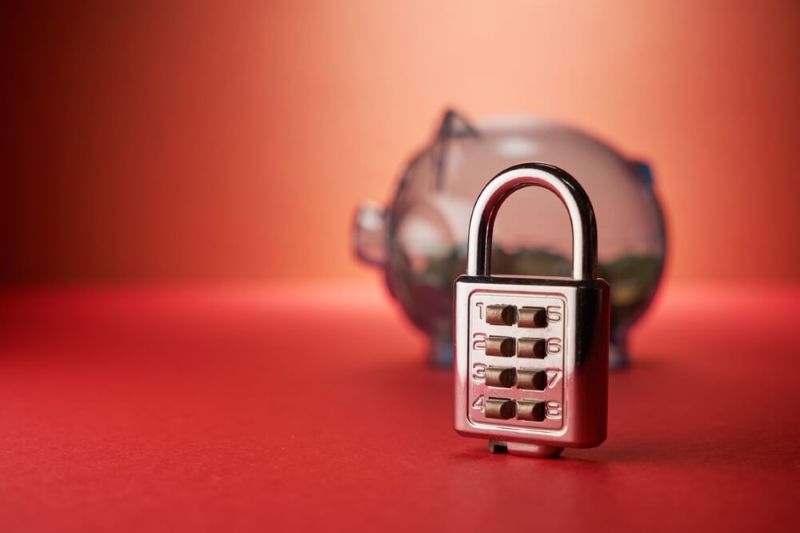
As digital transactions continue to grow, it is vital that we understand the role that online banking security plays in protecting your financial information. There are numerous ways to ensure your banking account is secure when using the Internet. By following a few essential banking cybersecurity practices, you will create a secure online banking experience and confidently manage your money over the internet.
Online banking security is vital for protecting yourself and your money when using the web today. Because more people than ever are using applications and websites for a variety of transactions, it is extremely important to understand how to properly secure your bank accounts online and remain safe while banking online. Without these protective measures, you may be at risk for falling victim to scams, data breaches, identity theft, and more.
Even though many newer banking systems implement high-tech security measures such as encryption and multi-factor authentication, much of the security relies on users being educated about how to conduct safe transactions and protect against online bank fraud. This information on conducting safe online transactions and protecting against fraud while using online banking will significantly reduce your chances of becoming a target for fraud or hacking.
Although online banking can greatly improve your convenience, it is also important that you stay aware of what you are doing and remain vigilant to protect your bank account from fraudsters. By taking a proactive approach to safeguarding your assets, you can enjoy the convenience of using the internet for your financial needs.
The security of online banking involves technologies and methodologies designed to safeguard user information. For example, online banking may use encrypted connections, secure log-in credentials, and fraud detection systems to protect users’ financial information. Banks spend a great deal of money on security; however, users must practice good habits as well. By combining banks’ security measures with users’ personal accountability, the protection of funds is significantly enhanced.
Cybercriminals use phishing emails, fake websites, and malicious software (malware) to steal personal identifying information. By using weak passwords and connecting to unsecured networks, users become easy targets for cybercriminals.
Recognizing these potential threats is the first step in preventing them. Being aware of these potential threats will enable users to act quickly in order to avoid losing their money or personal information.
Good security habits, such as regularly updating passwords and avoiding banking transactions on public Wi-Fi, help users enhance the security of their online banking accounts. These two basic habits provide greater security for the user, thereby reducing the likelihood that a cybercriminal can compromise the user's account.
Having consistent security practices reduces a user's vulnerability and enables them to maintain safe access to their financial accounts.
Enhancing security when banking online begins with implementing very simple *963. Yet, very effective techniques. By applying banking cybersecurity best practices and learning how to secure their bank accounts online, users can build an effective defense against cybercrime.
It is important to use complex passwords that include a mix of letters, numbers, and symbols. Personal information such as your birth date should not be used to create passwords.
Using a password manager helps you store and generate secure passwords, ensuring consistent passwords and reducing the risk of duplicates.
Multi-Factor Authentication in Banking provides an additional layer of security for your bank account, requiring a second step of identification to access it or its statement. For example, even if an individual's account password is compromised, the requested multi-factor authentication will prevent any unauthorized user from accessing the account. This is the most effective way to protect your banking account from cybercrime.
By frequently monitoring your account for irregular transactions, you may identify unapproved transactions more quickly. Alerts can also be set up to notify you whenever a transaction occurs, allowing you to take immediate action if there is any suspicious activity.
Public networks range from unsecured to at risk of compromise by hackers. The safest way to access online banking apps is to establish a secure, private network or use a trusted VPN, thereby allowing you to conduct all your digital transactions securely.
To keep your online banking secure, you'll need to take an active role in preventing online banking scams. Awareness, use of technology, and smart practices will help secure your finances.
Identifying Phishing and Other Scam Attempts. Many phishing emails appear to be legitimate but are sent to harvest your information. Always verify the identity of the person sending you an email before you click any links.
Please don't send any sensitive information via email or text; banks will never ask for it directly.
Keeping All Devices and Applications Up to Date. By keeping your devices and applications updated regularly, you can reduce your security risk, as outdated systems are easier for hackers to exploit.
Make sure that you install updates in a timely manner to maintain your device’s security, as well as follow effective online banking security tips.
Only Use Applications Designed for Online Banking. You should download only from trusted sources, such as a reputable app store. Do not download third-party applications; these can be infected with malware.
Official applications have their own security mechanisms that help you complete safe digital transactions and enhance overall security.
Always Log Out After Each Transaction. You can always log off your account when you finish a transaction, especially if you are using a computer that others can access. Logging off prevents unauthorized access to your account.
Simple habits like these will only enhance your overall security when it comes to online banking.
Today, the necessity of online banking security is widespread. Users can protect themselves through knowledge, by understanding possible threats, and by utilizing steps to remove threats from the equation, such as setting up multi-factor authentication (MFA) for online accounts.
To establish long-term protection against fraud in the digital world, build positive habits, educate yourself on secure digital transactions, and implement a culture at work that prioritizes safety first. You should immediately establish a strong banking practice to build a stable financial future.
By utilizing behavioral analytics to monitor a user’s behavior, such as how often they log into their account or what devices they access their account from, the bank is able to detect any unusual activity (e.g., an abnormal amount of time between logins) and will take action to either notify you or block access. This advanced analytical approach enables banks to detect potential threats early in the process and to increase their ability to identify fraudulent activity without disrupting an individual’s normal user experience.
Although biometric authentication, such as fingerprint or face scanning, is much stronger than traditional passwords, it is not meant to replace them entirely. The use of biometric authentication enhances the current ability to provide multi-factor authentication in banking. When biometric authentication is used alongside other authentication methods, it enhances overall security and provides users with the best possible experience when conducting online transactions.
Encryption protects users’ sensitive data by converting it into an unreadable code. This process takes place whenever data is sent over a networked device. If someone intercepts a user’s data while it is being transferred, they will not be able to read it unless they have the proper keys. Encryption is one of the most important security measures a bank has in place to protect both users’ login credentials, bank account details, and transactions from unauthorized use, as well as cybercriminals who would use those details for their own gain.
Secure Online Banking for Business – Recommendations
When combined with more effective cybersecurity solutions and adherence to online banking cybersecurity best practices, these strategies will help reduce the risk of online banking fraud while maintaining an efficient, secure way to conduct digital transactions across an organization’s financial system.
Mobile banking applications provide additional security mechanisms (such as biometric authentication and encrypted storage) that web-based banking applications do not. Downloaded from legitimate/official sources, many of these applications can be safer than web-based banking. However, it is also important to follow good practices to ensure complete online banking security and to avoid exposing users to potential vulnerabilities.
This content was created by AI